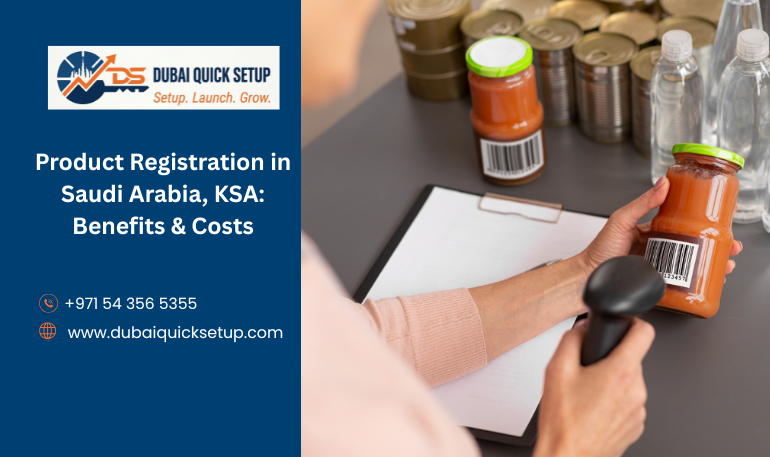
In Saudi Arabia, product registration is an important step for companies looking to introduce their products to the market. This process involves registering a product with the Saudi Food and Drug Authority (SFDA) to ensure that it meets the necessary safety, quality, and labelling requirements. Expanding your business into Saudi Arabia is a powerful opportunity. As one of the largest economies in the Middle East, the Kingdom offers strong demand across industries such as food, cosmetics, pharmaceuticals, electronics, and consumer goods. However, before entering the Saudi market, product registration is mandatory.
In this comprehensive guide by Dubai Quick Setup, you’ll learn everything about product registration in Saudi Arabia, including requirements, authorities, processes, costs, timelines, and expert tips to ensure fast approval.
Why is Product Registration Important in Saudi Arabia?
Product registration is essential in Saudi Arabia to comply with the country’s regulations and standards. Without proper registration, your product may not be allowed to be sold in the Saudi market, leading to potential legal issues and hefty fines. By registering your product, you demonstrate to the authorities that it meets all the necessary safety and quality requirements, ensuring consumer protection and satisfaction.
Key Reasons:
- Prevents unsafe products from entering the market
- Ensures compliance with Saudi standards
- Avoids fines, shipment rejection, or product seizure
- Builds consumer trust and brand credibility
- Enables smooth customs clearance
Without proper registration, your products cannot legally be sold in Saudi Arabia.
What is Product Registration in Saudi Arabia?
Product registration in Saudi Arabia is the official approval process required to legally import, distribute, or sell products within the Kingdom. It ensures that all products meet strict safety, quality, and labelling standards set by regulatory authorities.
Without proper registration, your products may face:
- Customs rejection
- Heavy fines
- Market bans or seizures
Regulatory Authorities for Product Registration in KSA
Understanding the regulatory bodies is the first step in successful product registration.
1. Saudi Food and Drug Authority (SFDA)
The SFDA is the primary authority responsible for regulating:
- Food & beverages
- Cosmetics & personal care
- Medical devices
- Pharmaceuticals
- Supplements & herbal products
The SFDA ensures all products meet safety, efficacy, and quality standards before entering the market.
2. SASO & SABER Platform
For non-health-related products like electronics, toys, and industrial goods:
- SASO (Saudi Standards, Metrology, and Quality Organisation)
- SABER Platform
These systems handle product conformity and certification before import.
Categories Requiring Product Registration in Saudi Arabia
Almost all product categories require registration. The main sectors include:
1. Food Products
- Packaged foods
- Beverages
- Dietary supplements
2. Cosmetics
- Skincare products
- Makeup
- Haircare items
3. Medical Devices
- Diagnostic equipment
- Healthcare tools
4. Pharmaceuticals
- Prescription drugs
- OTC medicines
5. Consumer Goods (via SABER)
- Electronics
- Toys
- Household items
Step-by-Step Product Registration Process in Saudi Arabia
Here is a detailed breakdown of the process:
Step 1: Company Registration
Before registering a product:
- You must have a legal entity in Saudi Arabia
- Or appoint a local authorised representative
Step 2: Product Classification
Products must be categorised correctly:
- Food
- Cosmetic
- Medical device
- Consumer product
Incorrect classification can lead to delays or rejection.
Step 3: Create an Account on Regulatory Platform
Depending on your product:
- SFDA portal (for regulated goods)
- SABER platform (for general products)
Step 4: Submit Product Dossier
A product dossier includes all technical and legal documents, such as:
- Product composition
- Manufacturing details
- Labeling information
- Safety reports
A well-prepared dossier is critical to avoid rejection.
Step 5: Laboratory Testing & Compliance
Products may need:
- Safety testing
- Quality certification
- Compliance verification
Step 6: SFDA/SABER Review
Authorities review:
- Documentation
- Safety compliance
- Label accuracy
Step 7: Approval & Certification
Once approved:
- You receive a registration certificate or approval number
- Product becomes legally eligible for sale
Key Documents Required for Product Registration in Saudi Arabia
To ensure successful approval, prepare the following:
Product Documents
- Product description
- Ingredients list
- Usage instructions
- Shelf life details
Manufacturer Documents
- Manufacturing license
- GMP certificate
- Factory details
Legal Documents
- Free Sale Certificate
- Power of Attorney
- Certificate of Origin
Labeling Requirements
- Arabic labeling (mandatory)
- Barcode
- Product name & details
Product Registration for Cosmetics in Saudi Arabia
Cosmetic products must be registered through the eCosma system.
Requirements:
- Ingredient compliance
- Safety assessment
- Arabic labeling
- Product classification
Manufacturers must provide detailed information, including ingredients, packaging, and labelling.
Food Product Registration in Saudi Arabia, KSA
Food products require:
- Facility registration
- Product listing
- Compliance with food safety regulations
The process includes a multi-step submission through SFDA systems.
Medical Device Registration in Saudi Arabia, KSA
Medical devices are classified based on risk:
- Class I (low risk)
- Class II
- Class III (high risk)
Higher risk means stricter documentation and evaluation.
Timeline for Product Registration in Saudi Arabia, KSA
The approval timeline depends on product type:
| Product Type | Estimated Time |
|---|---|
| Cosmetics | 2–6 weeks |
| Food | 1–3 months |
| Medical Devices | 3–6 months |
| Pharmaceuticals | 6–12 months |
Cost of Product Registration in Saudi Arabia, KSA
Costs vary depending on:
- Product category
- Number of SKUs
- Testing requirements
- Consultant fees
Estimated Costs:
- SFDA registration: $1,000 – $10,000+
- SABER certification: $300 – $3,000
How Dubai Quick Setup Helps You
At Dubai Quick Setup, we offer complete support for product registration in Saudi Arabia:
Our Services Include:
- SFDA & SABER registration
- Product classification
- Documentation preparation
- Label compliance support
- Regulatory consultation
- Approval follow-up
We simplify the entire process so you can focus on growing your business.
In conclusion, product registration in Saudi Arabia is a mandatory and strategic process for businesses looking to enter one of the Middle East’s largest markets.
With strict regulations enforced by SFDA and other authorities, companies must ensure full compliance, accurate documentation, and proper product classification.
Partnering with experts like Dubai Quick Setup can make the entire journey smooth, fast, and hassle-free—helping you launch your products successfully in Saudi Arabia.
FAQS – Product Registration in Saudi Arabia
Yes, all regulated products must be registered before sale or import.
The SFDA and SASO are the main authorities.
No, a local authorized representative is required.
It varies from 2 weeks to 12 months, depending on product type.
It may be rejected at customs or banned from sale.

Mohamed Aasik is an SEO Expert in Dubai and the Founder of Shaaz SEO Agency. With over 10 years of experience in SEO, website development, and digital marketing, he helps businesses improve their Google rankings, increase website traffic, and generate quality leads. He has successfully completed 150+ projects across various industries.
Business Cost Calculator
Dubai Media City Company Setup Cost: Latest Fees & Packages
Start Your UAE Business Today with a Dubai Free Zone License
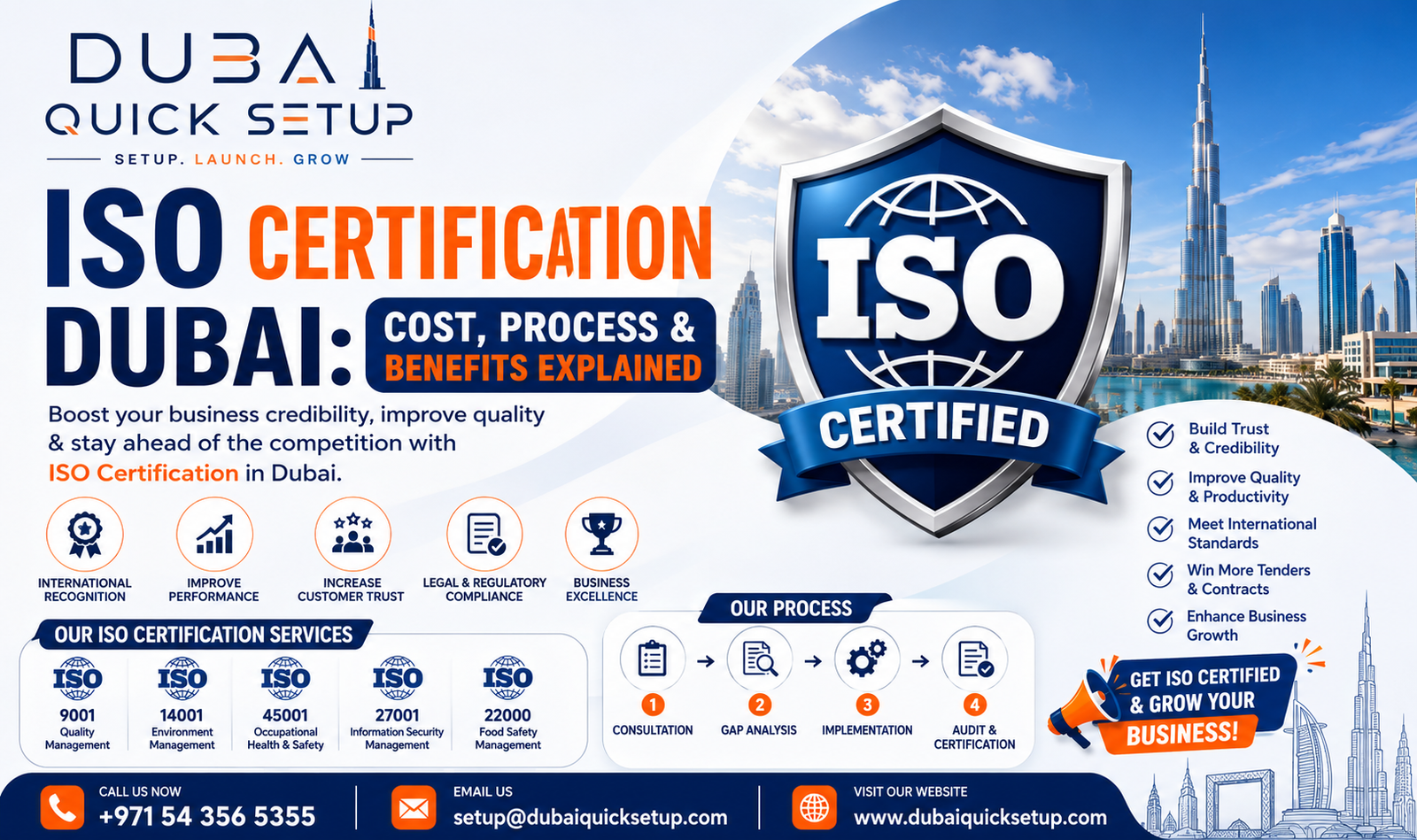
ISO Certification Dubai: Cost, Process & Benefits Explained 2026
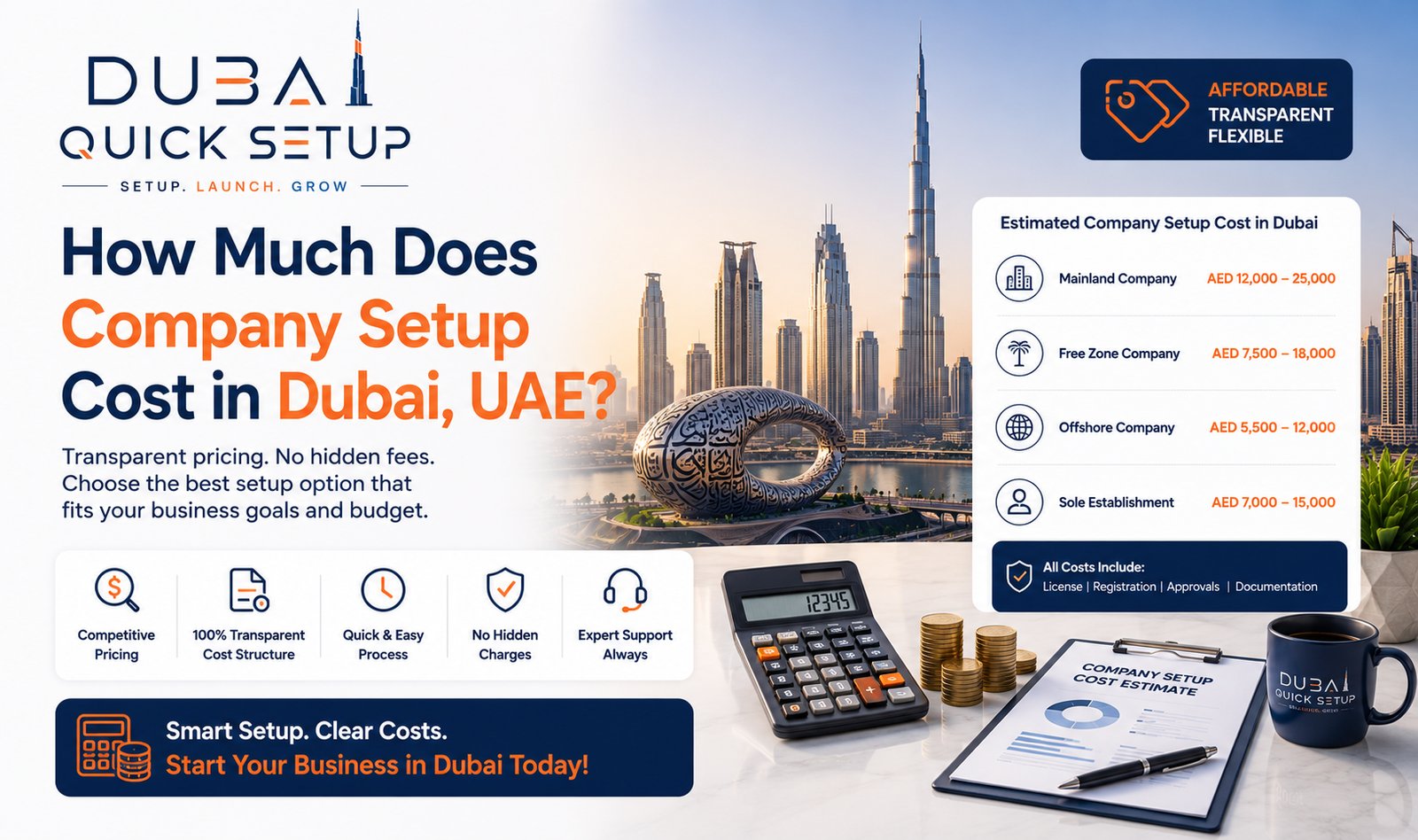
How Much Does Company Setup Cost in Dubai, UAE?

Dubai Tourism Company Setup Made Easy for New Entrepreneurs