Are you looking to start a foodstuff trading business in Dubai? Dubai has established itself as one of the world’s leading trade hubs, especially in the food import and distribution sector. With a fast-growing population, booming tourism industry, and high demand for global cuisine, starting a food trading business is one of the most profitable opportunities in the UAE.
If you’re planning to enter this industry, obtaining a Foodstuff Trading License in Dubai is your first and most important step.
What is a Foodstuff Trading License in Dubai?
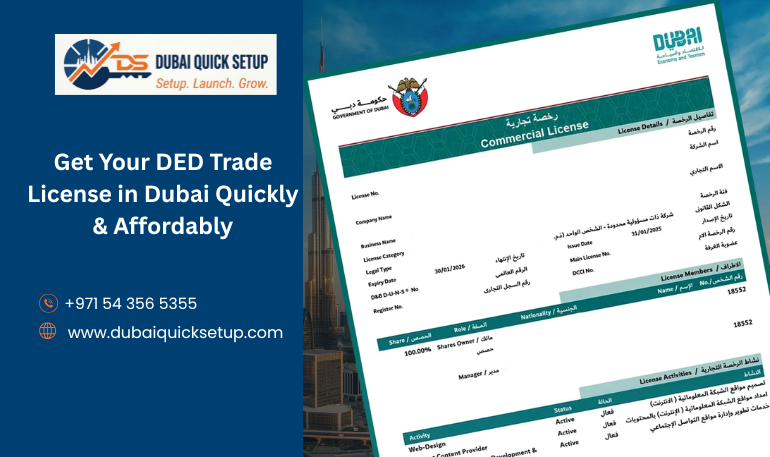
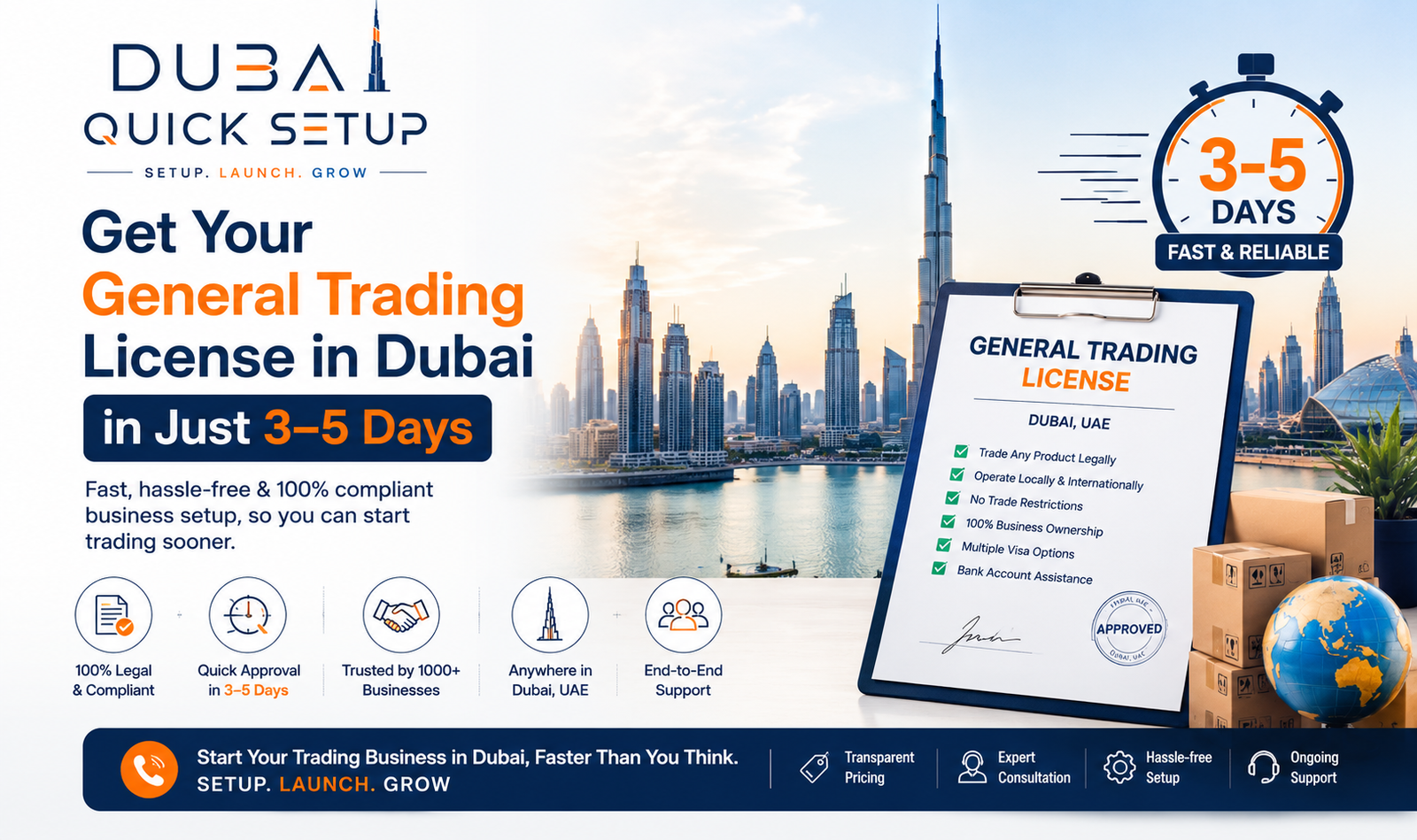
A Foodstuff Trading License in Dubai is a commercial license that allows businesses to import, export, distribute, and sell food products across the UAE and internationally.
With this license, you can legally operate activities such as:
- Importing packaged food products
- Supplying supermarkets and grocery stores
- Distributing food to restaurants and hotels
- Exporting food items globally
- Running wholesale food businesses
This license is issued by Dubai’s Department of Economy and Tourism (DET) and requires compliance with strict food safety regulations enforced by Dubai Municipality.
Why Start a Foodstuff Trading Business in Dubai?
Dubai is one of the world’s premier locations for food trading businesses. Here’s why:
1. High Demand for Food Products
The UAE imports over 80% of its food, creating a massive demand for food traders and distributors.
2. Strategic Location
Dubai connects Asia, Europe, and Africa, making it a global logistics hub for import and export.
3. Growing Food Market
The UAE’s food market continues to expand due to population growth and tourism, offering long-term opportunities.
4. Business-Friendly Environment
- 100% foreign ownership (in most cases)
- Low corporate tax structure
- Easy company formation process
5. Advanced Infrastructure
World-class ports, airports, and logistics networks make food trading efficient and scalable.
Types of Food Products You Can Trade
With a Foodstuff Trading License in Dubai, you can trade a wide variety of food items, including:
- Packaged foods
- Frozen food products
- Dairy products
- Beverages
- Spices and grains
- Organic and specialty foods
- Canned and processed food
This flexibility makes it one of the most versatile business licenses in Dubai.
Mainland vs Free Zone: Which is Better?
When applying for a Foodstuff Trading License in Dubai, you must choose between Mainland and Free Zone.
Mainland License
Best for: Local UAE market distribution
Advantages:
- Trade directly across the UAE
- Work with supermarkets, hotels, and restaurants
- No restrictions on local business
Free Zone License
Best for: Import/export and international trade
Advantages:
- 100% foreign ownership
- Tax benefits
- Easy setup
Limitation:
You may need a local distributor to sell in the UAE mainland.
Dubai Quick Setup Tip:
If your goal is to supply supermarkets or restaurants, choose Mainland.
Cost of Foodstuff Trading License in Dubai
The cost of obtaining a Foodstuff Trading License in Dubai depends on several factors like location, office space, and approvals.
Estimated Cost Breakdown
- Trade License Fee: AED 10,000 – AED 15,000
- Trade Name Registration: AED 600 – AED 750
- Initial Approval: AED 120 – AED 500
- Chamber of Commerce: AED 1,200 – AED 2,000
- Office Ejari: AED 1,000 – AED 3,000
Total Estimated Cost:
AED 13,000 – AED 20,000 (basic license)
However, the total setup cost, including office, approvals, and visas, can reach:
AED 25,000 – AED 50,000+
Step-by-Step Process to Get a Foodstuff Trading License
Here is the complete process to start your business:
Step 1: Choose Business Activity
Select “Foodstuff Trading” as your official activity.
Step 2: Reserve Trade Name
Register your company name with DET.
Step 3: Initial Approval
Get approval from authorities to proceed with setup.
Step 4: Apply for Food Safety Approval
Register with Dubai Municipality for food safety compliance.
Step 5: Secure Office or Warehouse
You must have a physical location for your business.
Step 6: Submit Documents
Provide required documents to DET.
Step 7: Get License Issued
Once approved, your license will be issued.
Step 8: Register Products
All food items must be registered in the Food Import & Re-export System (FIRS) before sale.
Documents Required for Foodstuff Trading License in Dubai
When applying for a foodstuff trading license in Dubai, you will need to submit the following documents:
- Trade License Application: Your trade license application form, duly filled and signed, is the first document you will need to submit.
- Passport Copy: A copy of the passport of the business owner or partners involved in the foodstuff trading business.
- Emirates ID Copy: Copies of the Emirates ID of the business owner or partners.
- Property Lease Agreement: A valid tenancy contract for the premises where the foodstuff trading business will be located.
- Dubai Municipality Tenancy Contract: A tenancy contract registered with the Dubai Municipality for your business premises.
- Health and Safety Certificates: Certificates attesting to the health and safety standards of your business premises.
- Trade Name Reservation Certificate: A certificate of approval for your chosen trade name from the Department of Economic Development.
- Food Safety Management System Certificate: A certificate demonstrating your compliance with food safety management standards.
- Insurance Certificate: An insurance certificate covering your business activities related to foodstuff trading.
- Supplier Agreements: Agreements with suppliers of food products, detailing the terms and conditions of the supply.
Food Safety & Compliance Requirements in Dubai
Food trading businesses must strictly follow UAE food safety regulations.
Key requirements include:
- Proper labeling and packaging
- Product registration before import
- Temperature-controlled storage
- Hygiene standards compliance
- Traceability of food products
Dubai Municipality ensures all food businesses meet safety standards to protect consumers.
Benefits of Foodstuff Trading License in Dubai
1. High Profit Potential
Food is a necessity, ensuring constant demand.
2. Wide Market Access
Sell locally and internationally.
3. Scalable Business Model
Start small and expand into wholesale or retail.
4. Multiple Revenue Streams
- Import & export
- Distribution
- Retail supply
5. Easy Expansion Opportunities
Add activities like a grocery store or restaurant later.
How Dubai Quick Setup Can Help You
At Dubai Quick Setup, we provide end-to-end assistance for your business setup:
Our Services Include:
- Trade license registration
- Business activity consultation
- Trade name approval
- Documentation support
- Dubai Municipality approvals
- Corporate bank account assistance
- Visa processing
We simplify the entire process so you can focus on growing your business.
In conclusion, starting a food trading business in Dubai is one of the smartest investment decisions you can make in 2026. With high demand, strong infrastructure, and a business-friendly environment, Dubai offers unmatched growth opportunities.
However, obtaining a Foodstuff Trading License in Dubai involves multiple steps, approvals, and compliance requirements. That’s where Dubai Quick Setup comes in—helping you launch your business quickly, legally, and efficiently.
FAQS – Foodstuff Trading License in Dubai
A Foodstuff Trading License in Dubai is a commercial license that allows businesses to import, export, distribute, and sell food products legally within the UAE and internationally.
The license is issued by the Department of Economy and Tourism (DET) for mainland companies, while free zones issue licenses through their respective authorities.
Yes, approval from Dubai Municipality is mandatory to ensure compliance with food safety, hygiene, and storage regulations before starting operations.
The cost typically starts from AED 13,000 to AED 20,000, but total setup costs (including office, visas, and approvals) can go up to AED 50,000 or more depending on business requirements.
It usually takes 5–10 working days, depending on approvals, documentation, and municipality inspections.
Yes, all food products must be registered through Dubai Municipality’s Food Import & Re-export System (FIRS) before they can be sold in the UAE.
Absolutely. Many businesses start with limited products and expand into wholesale, retail, or distribution networks over time.

Mohamed Aasik is an SEO Expert in Dubai and the Founder of Shaaz SEO Agency. With over 10 years of experience in SEO, website development, and digital marketing, he helps businesses improve their Google rankings, increase website traffic, and generate quality leads. He has successfully completed 150+ projects across various industries.
Business Cost Calculator
Dubai Media City Company Setup Cost: Latest Fees & Packages
Start Your UAE Business Today with a Dubai Free Zone License
ISO Certification Dubai: Cost, Process & Benefits Explained 2026
How Much Does Company Setup Cost in Dubai, UAE?
Dubai Tourism Company Setup Made Easy for New Entrepreneurs